







73% of consumers recognise AI-generated content and find it less credible. That is not an opinion, that is research. And it immediately explains why so many brands are losing visibility online.
We are in the middle of a paradox. AI makes producing content cheaper and faster than ever. At the same time, brands that bet blindly on it lose the trust of their audience. In 2026, authenticity is no longer a nice-to-have. It is the only thing that still sets you apart from an algorithm.
The visibility crisis nobody saw coming
Social media platforms report growth, but trust in brand content is falling. The number of online mentions about misleading or shallow marketing rose by 40% in 2025. The “deinfluencing” trend, where creators actively advise against products, grew by 79%. Consumers are tired of slick, empty content.
At the same time, on platforms like Instagram, TikTok and YouTube, people increasingly look for honesty. Not perfection. Someone who has something to say and dares to say it. Brands that go along with that gain ground. The rest get scrolled past.
In 2026 the best marketing strategy is simply: be real.
Perfection has become suspect
For years, sleek perfection was the goal. Today it works against you. A brand that looks too polished quickly feels machine-spat-out. Designers respond cleverly with what they call human labor signals: rough edges, hand-drawn details, small imperfections that prove a human was at work. Not because they cannot do better, but because imperfection builds trust.
This year Canva analysed the biggest visual design trends and named the report “Imperfect by Design”. That says enough. Designers are deliberately turning their backs on polished, AI-generated visuals. Texture, grain, hand-drawn details and collage aesthetics are back, not out of nostalgia, but as a strategic choice to signal humanity.
Adaptive brand identities are also replacing rigid logo systems. Brand identities move, adapt and respond to context. Not because it is technically possible, but because fixed systems no longer scale with the speed of channels. A brand that looks different on LinkedIn than on Instagram is not a problem. It is reality. Well-designed systems handle that.
Trust is the one thing AI content cannot copy.
AI as a tool, not as a voice
AI is useful. Nobody says otherwise. It speeds up research, helps structure ideas and makes personalisation at scale possible. But the mistake many brands make: they also give AI their voice. And that voice sounds the same everywhere.
The brands that stand out in 2026 combine AI speed with human judgement. They use technology to work better, not to replace themselves. That requires a clear brand identity as a starting point, because without it AI has nothing to build on.
How to keep your brand sounding human
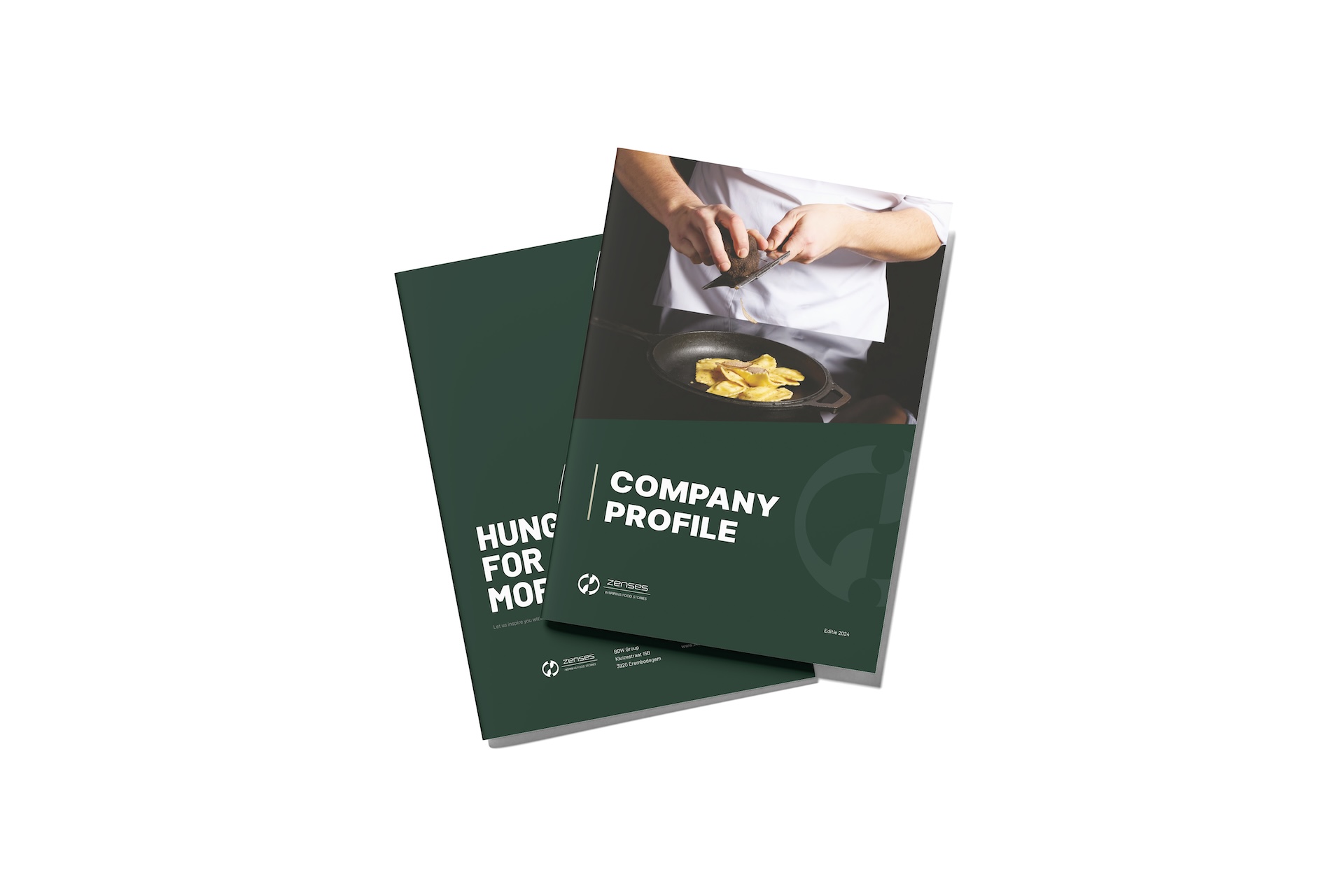
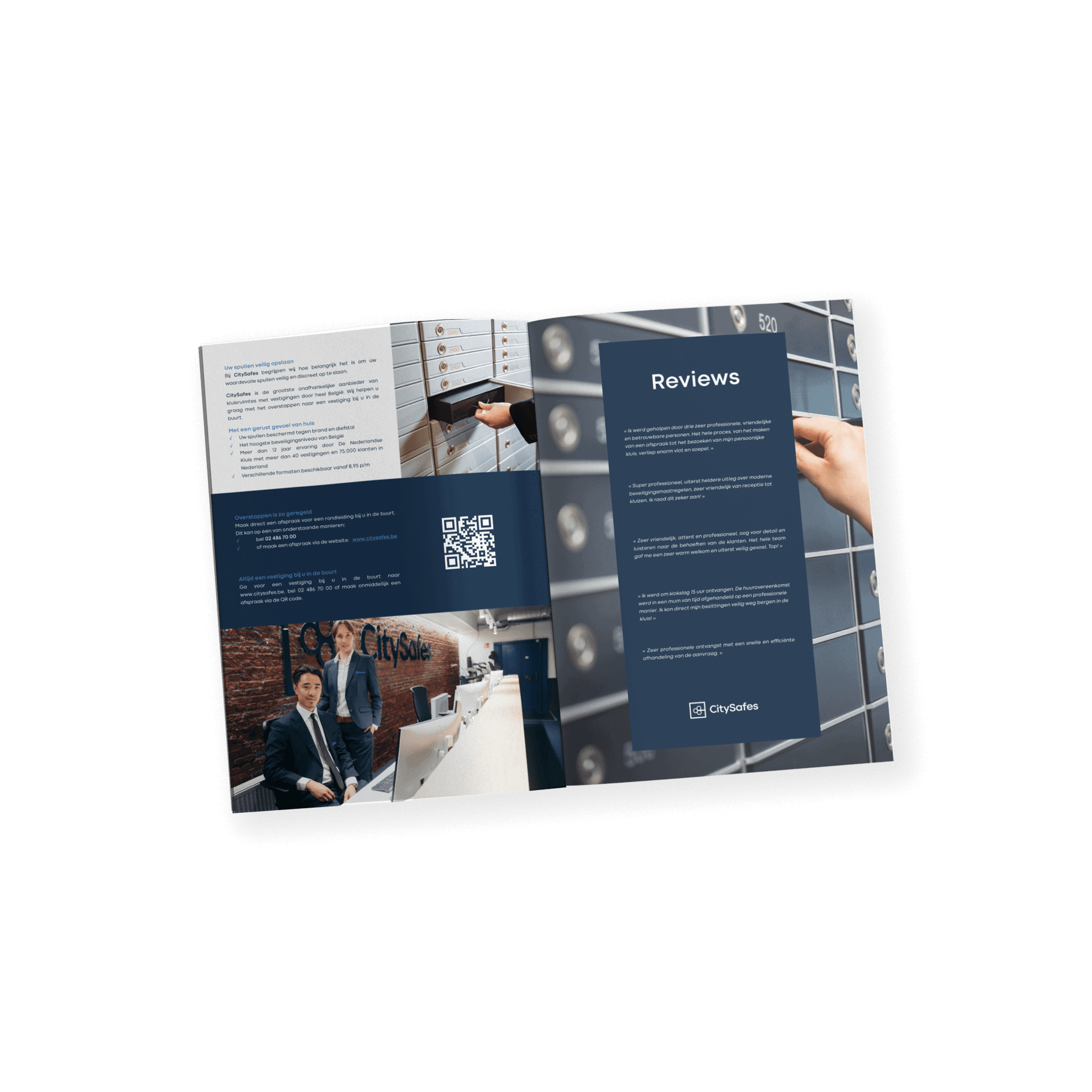
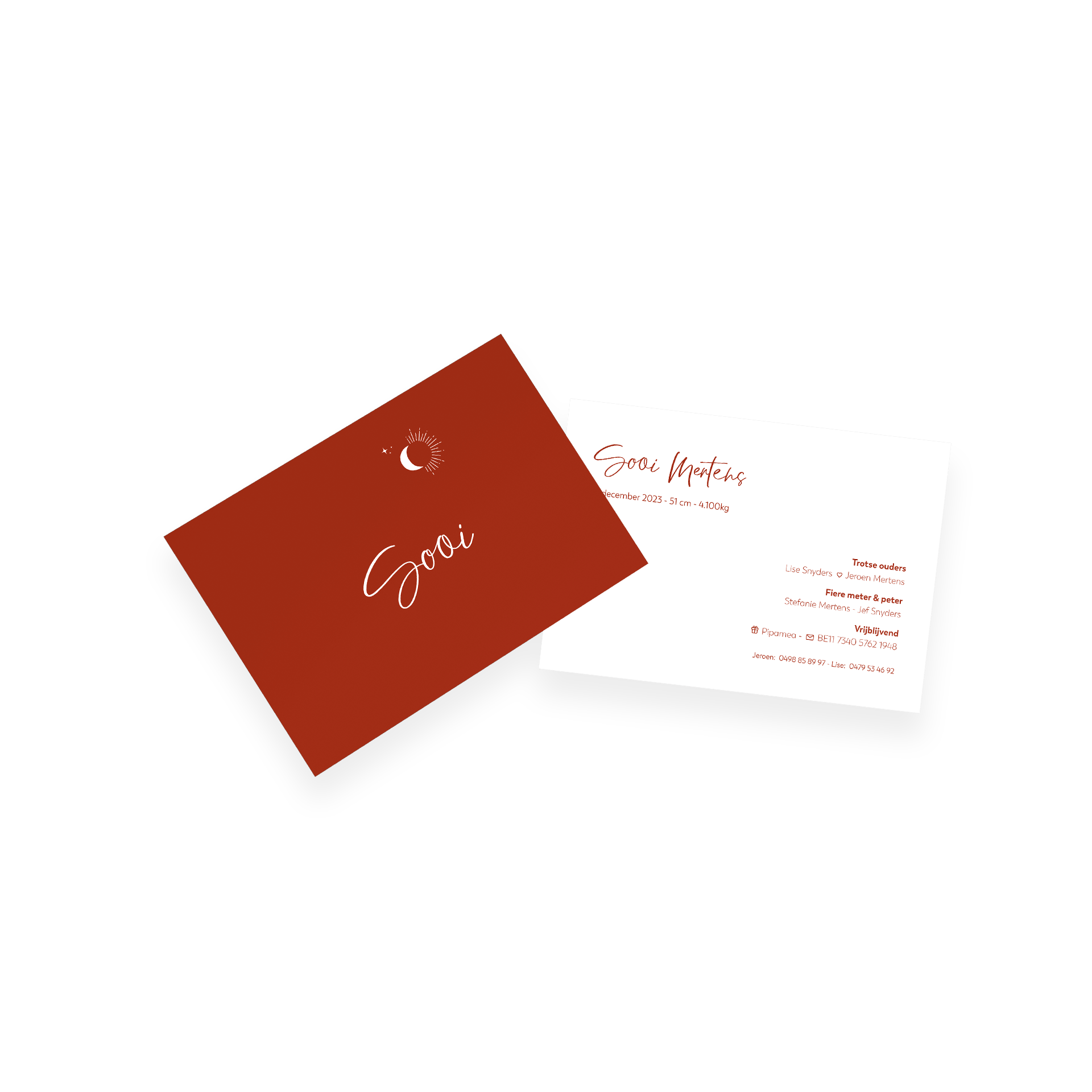
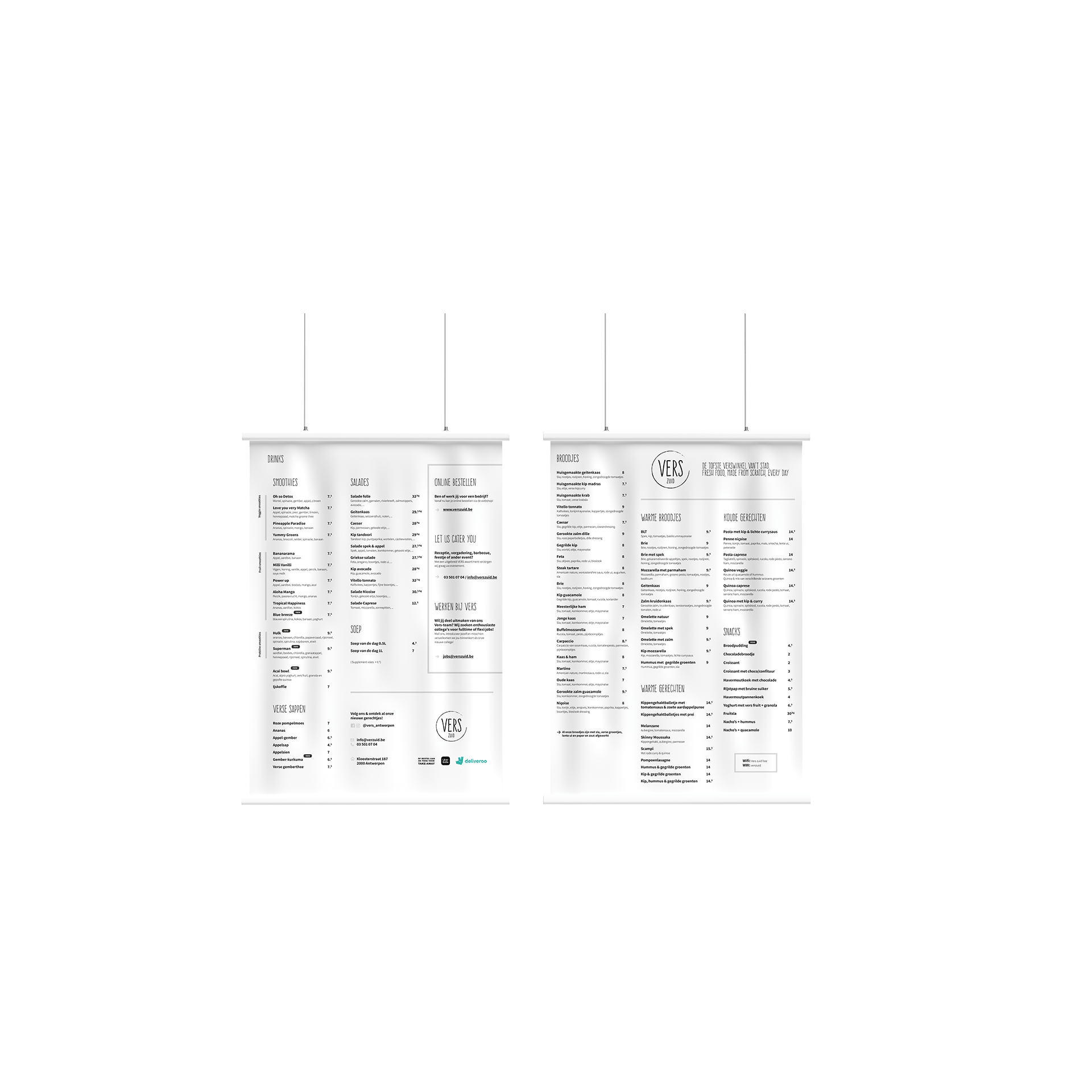
Sounding human starts with daring to make choices. Choose a voice of your own instead of the safest wording. Show real work and real people instead of stock images. In our portfolio you can see how a distinctive visual language sets a brand apart from the grey mass. Combine that with warm, earthy colours, calm typography and subtle texture, and your brand immediately feels more tangible. The message stays consistent across every channel, because it is precisely that recognisability that makes people remember you.
Conclusion
The brands that win in 2026 are not necessarily the ones with the biggest budget or the most tools. They are the brands with a clear point of view, a recognisable voice and a visual identity that holds up. AI lowers the barrier to making content, but raises the value of everything that is genuinely human. If that is still missing or outdated at your company, this is the moment to act on it. See what we can do for you.
Does your brand actually show up in AI answers?
Being authentic only helps if people can find you. And more and more often they no longer ask Google, but ChatGPT, Perplexity, Claude or Gemini for a recommendation. If your business does not appear there, then for that searcher you simply do not exist. Those who are early build a lasting head start, because AI models lean on sources they already trust.
That is why we do it for free. In our free AI visibility scan we test whether your business shows up in ChatGPT, Perplexity, Claude and Gemini for relevant queries, check your website for schema markup and FAQ content, and deliver a report with concrete action points. Request your free scan and know where you stand in no time.